How Hoboken’s rapid development stresses older underground pipes
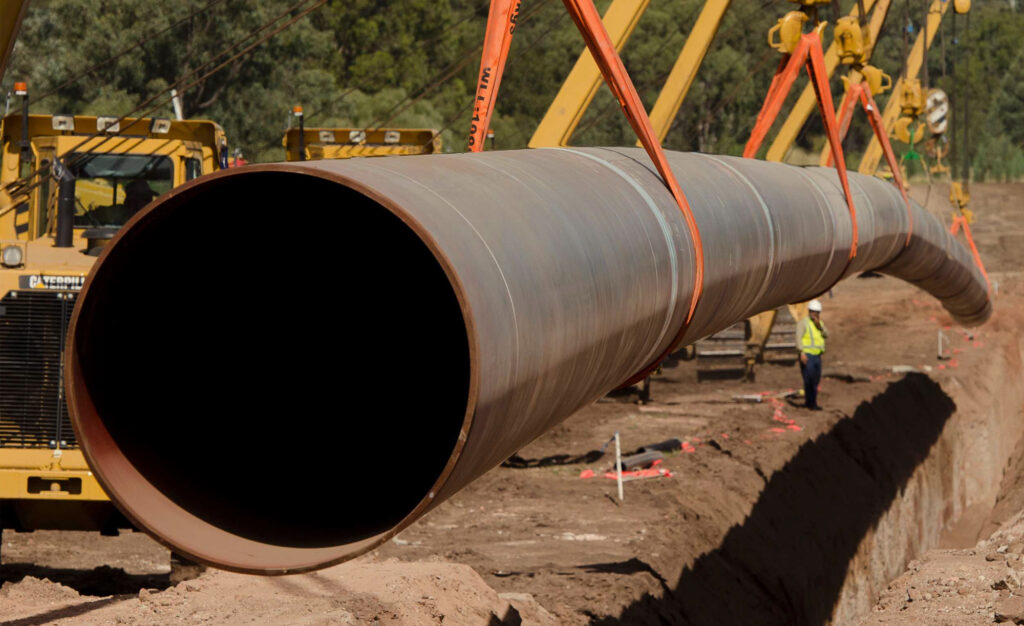
Hoboken, New Jersey, is a masterclass in urban transformation. In just a few decades, the “Mile Square City” has evolved from a gritty industrial port into one of the most desirable residential hubs in the Tri-State area. From the sleek glass towers of the South Waterfront to the converted luxury lofts in the North End, […]
What Jersey City residents should know about hydrant-related discoloration
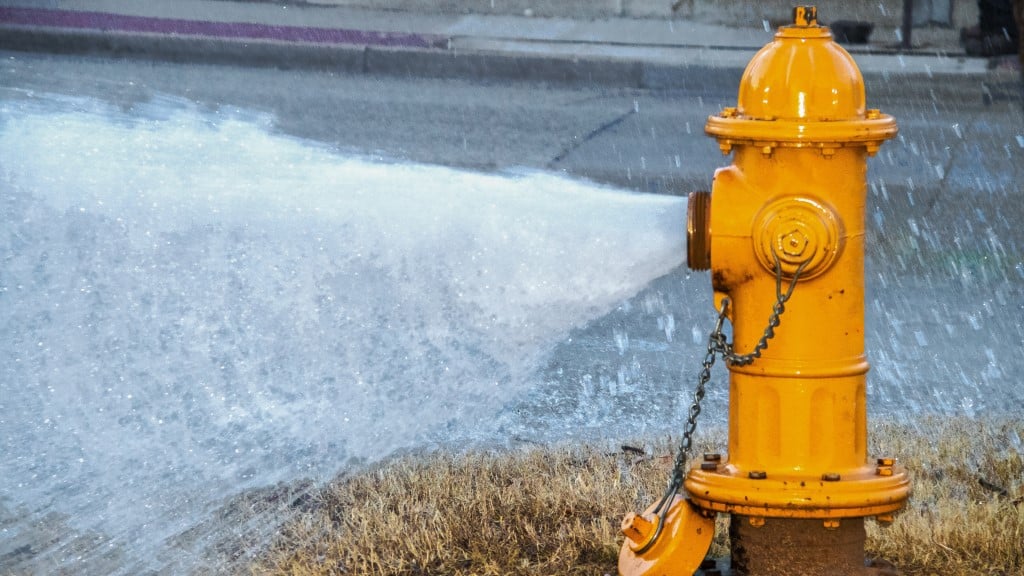
Jersey City is a landscape of constant motion. Between the high-rise developments reshaping the Waterfront and the historic renovations in Bergen-Lafayette, the city is pulse-quickening. However, for many residents, that pulse takes a literal turn when they open their kitchen tap and find a stream of amber or rust-colored water. While there are many potential […]
Why Fort Lee high-rises experience pressure issues similar to Manhattan
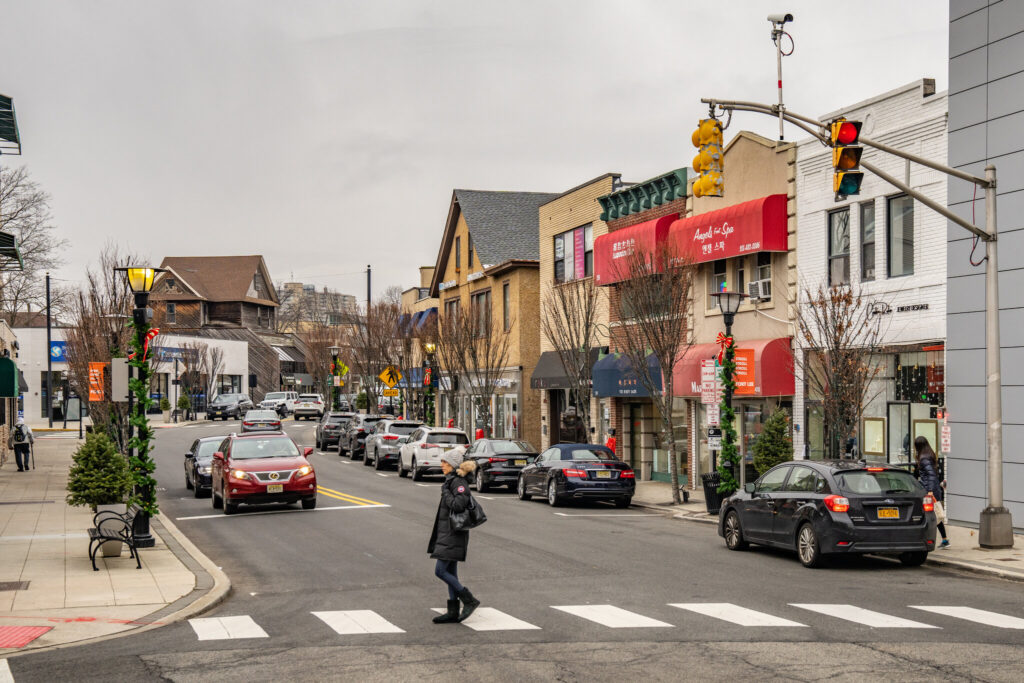
If you live in one of the soaring residential towers of Fort Lee, New York, your view of the George Washington Bridge is world-class. However, behind the luxury finishes and floor-to-ceiling windows, many residents deal with a frustratingly familiar problem: inconsistent water pressure. Whether it’s a shower that turns into a drizzle during the morning […]
Hoboken’s aging mains and how they mirror NYC’s discoloration patterns
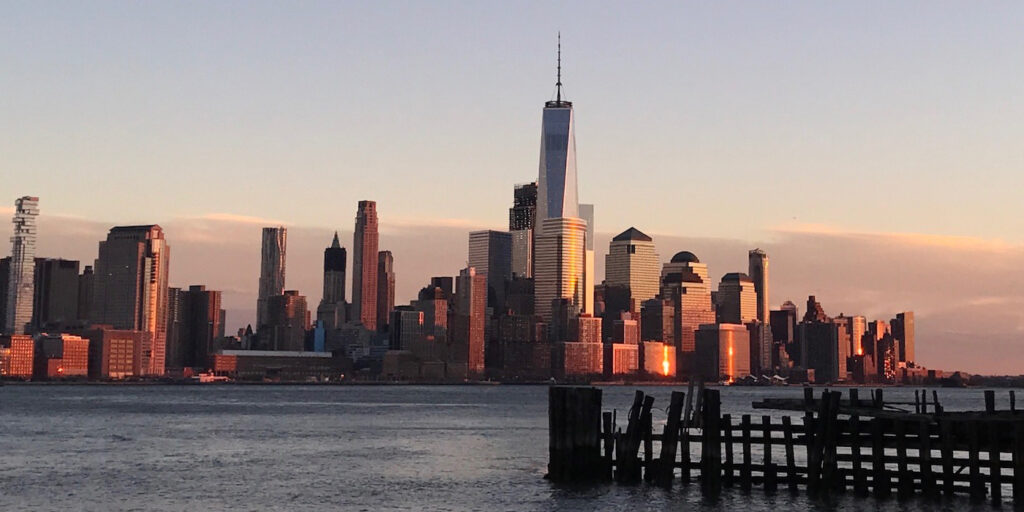
For residents of the “Mile Square City,” the sight of a water main break is almost as common as a street-side cafe. Hoboken, much like its neighbor across the Hudson, is a city built on a foundation of 19th-century engineering. While New York City boasts about its mountain-sourced supply and its massive tunnels, Hoboken operates […]
Why Jersey City sees brown water after large construction surges
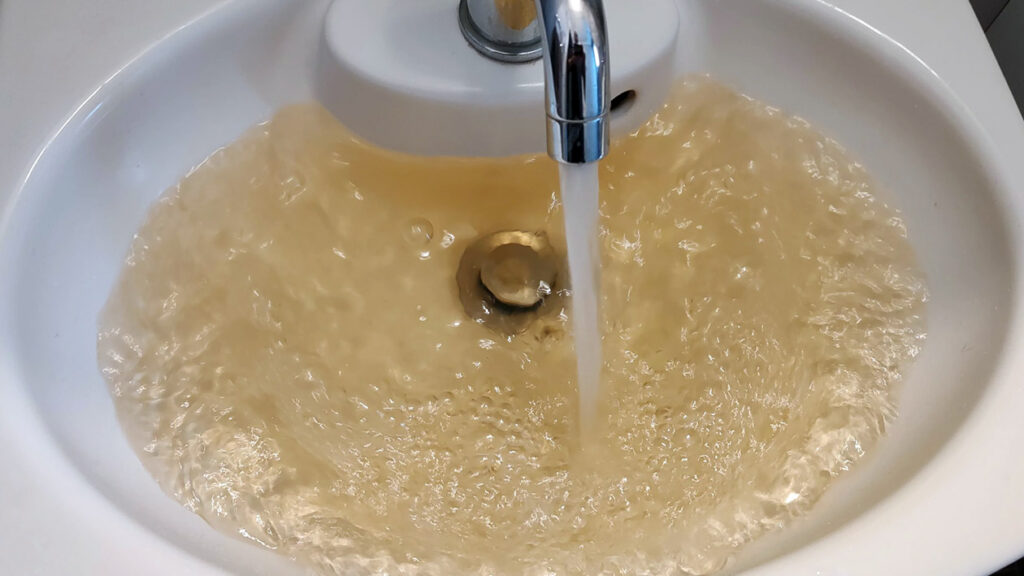
Jersey City is currently undergoing one of the most significant urban transformations in the Northeast. From the soaring glass towers of Exchange Place to the rapid densification of Journal Square and Bergen-Lafayette, the “Sixth Borough” is physically expanding at a rate that challenges its foundational services. While the new skyline is a marvel of modern […]
The difference between Manhattan’s Water Tunnel No. 1, No. 2, and No. 3
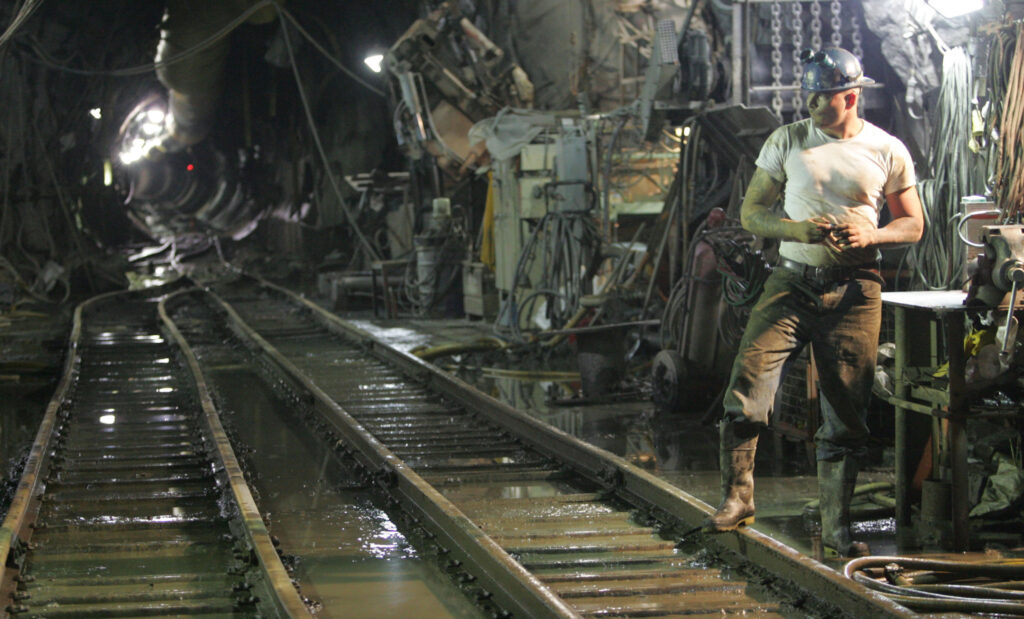
When New Yorkers turn on their taps, they are engaging with a marvel of civil engineering that is almost entirely invisible. Deep beneath the bedrock of Manhattan lies a network of massive conduits that carry billions of gallons of mountain-sourced water from the upstate reservoirs into the heart of the city. While we often talk […]
Why brown water occurs after a sudden pressure rebound
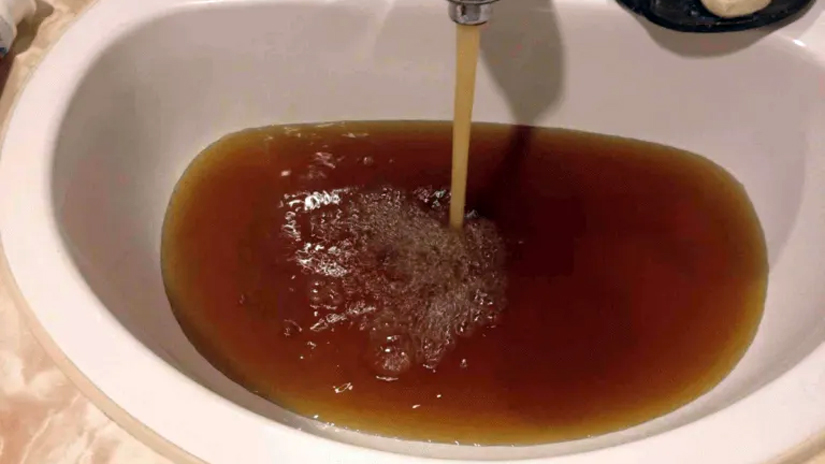
It is a scenario familiar to many New Yorkers: the water pressure in your apartment drops to a mere trickle for an hour—perhaps due to a nearby fire hydrant being used or a temporary utility repair—and then, suddenly, the pipes groan, a burst of air hisses from the faucet, and the water returns in a […]
How institutional buildings (schools, hospitals) affect local pressure zones

When we walk through the streets of New York City, we often view large institutional buildings—massive public schools, sprawling hospital complexes, and sprawling government centers—as pillars of the community. We see them as hubs for education and healing, but from the perspective of the city’s subterranean hydraulics, these buildings are something else entirely: “high-demand nodes.” […]
Why water temperature is inconsistent across prewar buildings
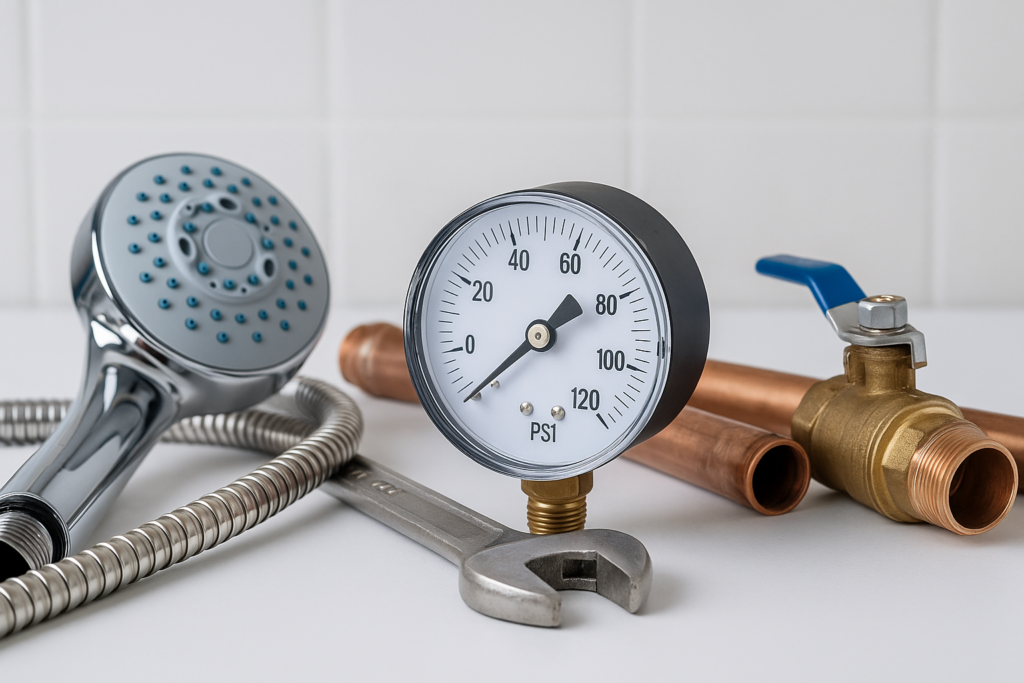
For many New Yorkers living in the historic corridors of the Upper West Side, Brooklyn Heights, or the Grand Concourse, the morning shower is a delicate negotiation. You turn the handle just a fraction of an inch to the left, and you’re met with an icy blast; a hair to the right, and it’s a […]
Why certain Manhattan blocks taste more chlorine than others
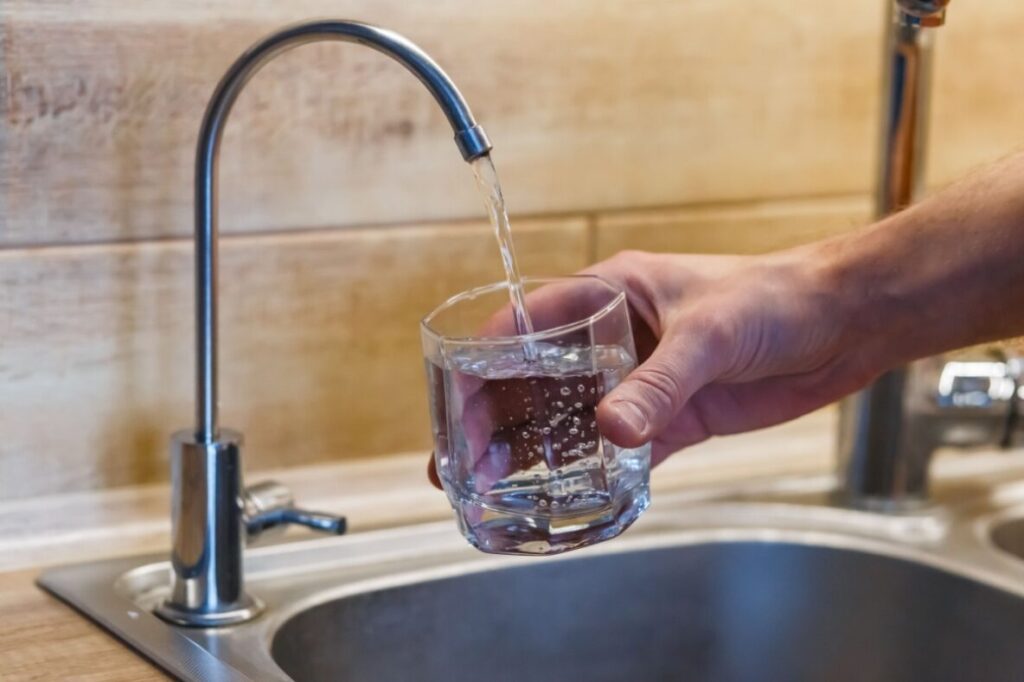
New York City water is legendary, often held up as the gold standard for municipal supplies. Sourced from the protected Catskill and Delaware watersheds, it travels through an epic feat of engineering to reach the city. Yet, if you take a sip of tap water in a luxury high-rise in Chelsea and then another in […]