My WordPress Blog
UrbanWaterDigest is a modern, magazine-style guide dedicated to understanding how water behaves in dense cities—from the moment it is treated, through miles of underground distribution networks, and finally to the tap inside urban buildings. While water is often taken for granted, the systems that deliver it are among the most complex and stressed pieces of infrastructure in modern life.
Explore how complex city water systems move treated water through underground networks into homes.
Understand what affects urban tap water quality, including plumbing systems, aging infrastructure.
Learn how pipes, fixtures, storage systems, and internal building infrastructure influence the water people
Stay informed with practical, research-driven content focused on water reliability, city infrastructure challenges.
This site bridges the gap between engineering realities and lived urban experience. We explore how municipal treatment decisions, pressure zones, pipe materials, and building design directly influence what residents see, taste, and feel.
UrbanWaterDigest is not a utility website, a government portal, or a sales platform. It is an independent editorial resource that explains urban water systems as they truly function in the real world.
Whether you are noticing sudden discoloration, experiencing pressure changes, or simply curious about hidden systems, we provide context, clarity, and insight into the water that sustains urban life.
While New York City and North Jersey are frequently referenced due to their scale and infrastructure age, the principles discussed here apply to cities around the world.
Our goal is not to alarm, but to inform—helping readers understand why water sometimes behaves unpredictably in cities and what those signals often mean.
Urban water systems operate under pressures that simply do not exist in suburban or rural environments. Density alone reshapes how water must be delivered. In cities, a single water main may serve thousands of residents across multiple elevations, building types, and usage patterns — all within a few blocks.
Many urban water systems still rely on decades-old pipelines and distribution networks that were never designed for today’s population density and modern demand levels.
Cities use carefully controlled pressure zones to deliver water across high-rise buildings, commercial districts, and multi-level residential areas without system imbalance.
Older cities often contain a combination of legacy and modern pipe materials, creating inconsistent flow behavior and varying system performance under pressure.
New developments and expanding infrastructure continuously reshape water demand patterns, flow direction, and distribution efficiency throughout city systems.
City residents frequently encounter water changes that seem sudden, unexplained, or inconsistent. Discoloration, metallic or earthy tastes, temperature shifts, pressure drops, or air in the lines are among the most common concerns reported in dense urban environments.
Discoloration often occurs when sediment that naturally settles inside aging mains is disturbed. This can happen during hydrant use, nearby construction, pressure changes, or routine maintenance. While visually alarming, these events are typically the result of physical movement within the system rather than contamination.
Taste and odor changes can stem from treatment adjustments, seasonal source variations, or shifts in water age as flow patterns change. In cities, water may travel different routes on different days, depending on demand and system balancing. These variations can subtly affect what residents notice at the tap.
Sediment disturbed by hydrant usage, construction activity, or pressure changes can temporarily cause brown, yellow, or cloudy water in urban distribution systems.
Seasonal treatment adjustments, shifting water sources, and varying flow routes may affect the taste and smell residents notice at the tap.
High demand periods, firefighting operations, pump activity, and valve adjustments can create sudden pressure increases or drops throughout city buildings.
Maintenance work and changing flow conditions can introduce trapped air into plumbing systems, leading to sputtering faucets and irregular water flow.
UrbanWaterDigest serves anyone who lives, works, designs, manages, or thinks critically about water in dense cities. Our readers include renters trying to understand changes in their apartment water, homeowners navigating aging building systems, and property managers responsible for maintaining complex plumbing networks.
Architects and engineers use this resource to contextualize how municipal systems interact with building design. Understanding pressure zones, service line behavior, and infrastructure constraints is essential when planning renovations, retrofits, or new developments in urban environments.
Plumbing professionals and facility managers benefit from broader system awareness — recognizing how city-level events influence building-level symptoms. This perspective helps distinguish between internal plumbing issues and distribution-side changes.
UrbanWaterDigest is also written for curious city residents who want to understand the invisible systems beneath their streets. Cities depend on water infrastructure that is rarely seen but constantly felt. When something changes, questions naturally arise. This site provides grounded, technically informed explanations without jargon or alarmism.
While New York City and North Jersey are frequently referenced due to their infrastructure scale and complexity, the insights shared here apply to metropolitan areas worldwide. From older European cities to rapidly growing urban centers, the principles of dense water distribution remain remarkably consistent.
UrbanWaterDigest exists to make urban water understandable — not simplified, but clearly explained. By connecting system design, infrastructure behavior, and real-world experience, we help readers see their city’s water not as a mystery, but as a living system shaped by history, density, and daily demand.
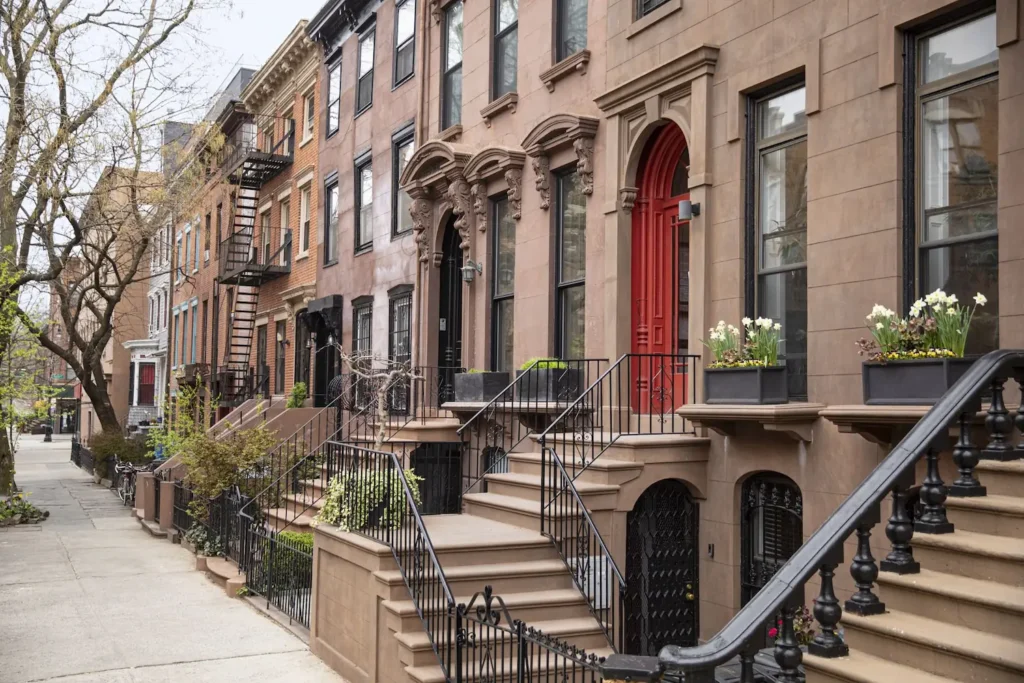
In most urban settings, temporary discoloration is caused by disturbed sediment such as iron rust or mineral deposits inside aging pipes. While it may look concerning, it is usually not a health risk. However, residents should avoid using visibly discolored water for drinking or cooking until it clears and follow local utility guidance if discoloration persists.
Taste differences are common in cities due to pressure zones, distance from treatment plants, storage tanks, and building plumbing systems. Even within the same neighborhood, water may travel different paths before reaching individual buildings, affecting chlorine levels, mineral content, and overall taste.
Pressure fluctuates in response to system demand, maintenance activity, and building-level equipment like booster pumps. Morning and evening usage peaks, firefighting events, or valve operations can all temporarily alter pressure, especially in high-rise or older buildings.
City-side issues usually affect multiple buildings at the same time and appear in cold water throughout the area. Building-level issues tend to affect several units vertically, while fixture-specific problems are isolated to one faucet or shower. Observing where and when the issue appears is key to identifying the source.
Construction, hydrant flushing, and emergency repairs change water flow speed and direction, which can stir up sediment that has settled inside pipes. These disturbances are a normal side effect of maintaining dense urban infrastructure and typically resolve once the system stabilizes.