Jersey City is a landscape of constant motion. Between the high-rise developments reshaping the Waterfront and the historic renovations in Bergen-Lafayette, the city is pulse-quickening. However, for many residents, that pulse takes a literal turn when they open their kitchen tap and find a stream of amber or rust-colored water. While there are many potential causes for this, one of the most frequent—and misunderstood—is the humble yellow fire hydrant.
Whether it is a routine inspection by the Jersey City Fire Department or a maintenance flush by the Jersey City Municipal Utilities Authority (JCMUA), the operation of a hydrant has an immediate and dramatic impact on the local urban water systems. If you live in the “Sixth Borough,” understanding the relationship between hydrants and your buildings plumbing is the key to maintaining water clarity in your home.
The “Scouring” Effect: Why Hydrants Change Your Water
To understand why a hydrant down the block can turn your water brown, you have to look at the pipes beneath the street. Much of Jersey City’s city infrastructure relies on unlined cast-iron mains. Over the decades, these pipes develop a layer of internal oxidation and mineral deposits known as “tuberculation.”
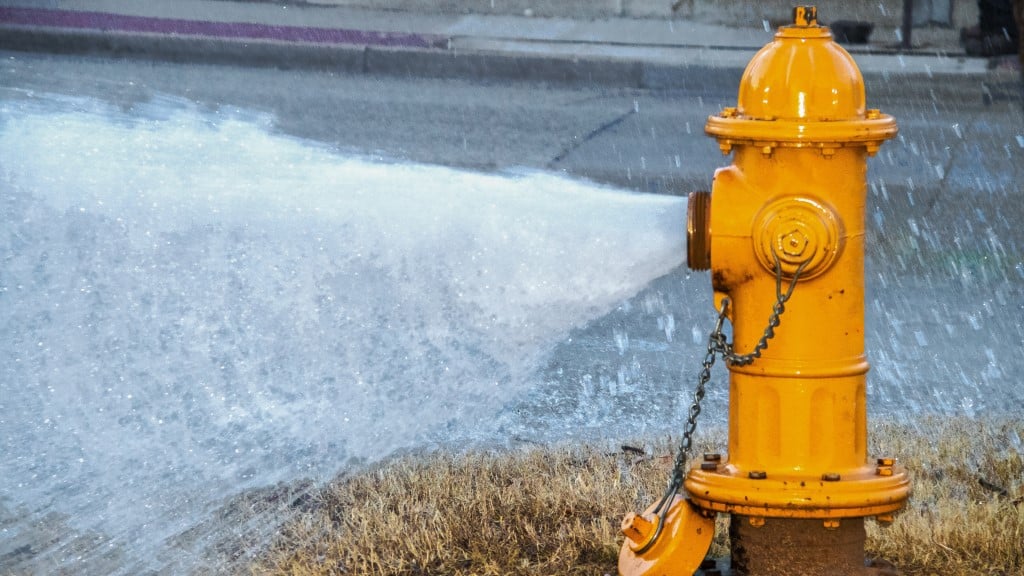
Under normal conditions, water moves through these mains at a steady, relatively slow pace. The rust and sediment stay stuck to the pipe walls. However, a fire hydrant is designed to move a massive volume of water very quickly. When a hydrant is opened, the velocity of the water in the street main increases exponentially.
This sudden rush of water acts like a mechanical abrasive, “scouring” the internal rust off the old cast-iron walls. This sediment becomes suspended in the water column. Because your building is “tapped” into that same main, a small amount of this discolored water is pulled into your service line before it can be exhausted out of the hydrant. This is the primary reason for the water quality issues residents see during maintenance cycles.
The “Pressure Rebound” and Flow Reversal
It isn’t just the opening of the hydrant that causes issues; it is the closing. When a high-capacity hydrant is shut off, it creates a “pressure rebound” or a “water hammer” effect. The water that was rushing toward the hydrant suddenly has nowhere to go, sending a shockwave back through the neighborhood grid.
This shockwave can cause “flow reversal,” where water is momentarily pushed backward through your building’s pipes. In older Jersey City row houses with original galvanized steel risers, this vibration can shake loose internal sediment that has been sitting stagnant for years. This explains why your water might remain brown even after the JCMUA has finished their work and the street-side water has cleared. We cover the specifics of these “mechanical shocks” in our faq.
Why the “Morning Flush” Isn’t Always Enough
Many residents are told to “just run the water until it clears.” While this is generally good advice, the timing matters. If a hydrant is being flushed on your block, running your water while the hydrant is open will only pull more sediment into your home’s internal lines.
Furthermore, if you have a high-rise building with a rooftop tank or a basement suction tank, the building’s booster pumps might “inhale” the discolored water into the storage system. Once that sediment enters a large building’s central tank, it can take days to settle or flush out completely. This is a common frustration we document in our blog regarding Jersey City’s rapid vertical growth.
The Hot Water Danger Zone
The biggest mistake a resident can make during a hydrant-related event is turning on the hot water. When you draw discolored water into your home, it enters your water heater.
Unlike cold water pipes, which can be flushed relatively easily, a water heater acts as a “settling tank.” The heavy iron and manganese particles sink to the bottom of the heater, where they can cause “rumbling” noises, reduce heating efficiency, and cause “lingering” discoloration that appears only when you take a shower. If you see brown water at the tap, immediately stop using hot water, dishwashers, and washing machines.
How to Manage Discoloration Like a Pro
If you see a fire crew or a utility truck working on a hydrant nearby, follow these steps to protect your plumbing:
- Wait for the Work to Finish: Do not attempt to flush your lines until the hydrant has been closed and the crew has left the area.
- The Bathtub Flush: Go to the cold water tap of your bathtub—the highest-flow fixture in most homes. Run the cold water at full blast for 10 to 15 minutes. This high flow rate is necessary to “sweep” the sediment out of your service line.
- Check the Aerators: If your water is clear but your pressure feels low, unscrew the “aerator” (the small mesh screen) at the end of your faucet. These screens often catch the larger flakes of pipe scale released by hydrant scouring.
- Bypass Filters: If you have an under-sink or whole-house filter, consider bypassing it during the flush. A single “slug” of hydrant sediment can completely clog a brand-new carbon filter in seconds.
The Long-Term Benefit of the Nuisance
While the brown water is a nuisance, it is important to remember that hydrant flushing is a vital safety requirement. The Insurance Services Office (ISO) requires these tests to ensure that the city’s fire protection system can deliver enough water to save lives during an emergency. Additionally, by scouring the pipes, the JCMUA is actually removing the loose sediment that would otherwise cause “unpredictable” discoloration throughout the year.
Conclusion: A Neighborhood in Transition
Jersey City is a city that relies on a mix of 19th-century iron and 21st-century demand. The brown water you see during hydrant maintenance is a physical reminder of that tension. By understanding that the discoloration is a mechanical “scouring” of the pipes rather than a sign of a contaminated source, you can take the necessary steps to protect your fixtures and appliances.
The water leaving the reservoirs is clean, but its journey through the “scoured” neighborhood is where the quality dips. If you find that your water remains discolored for more than 24 hours after a hydrant event, it may indicate a larger problem with your building’s specific “tap” or a broken service line. In those cases, please reach out via our contact page. We help residents log these events to ensure the city remains accountable for its aging infrastructure.