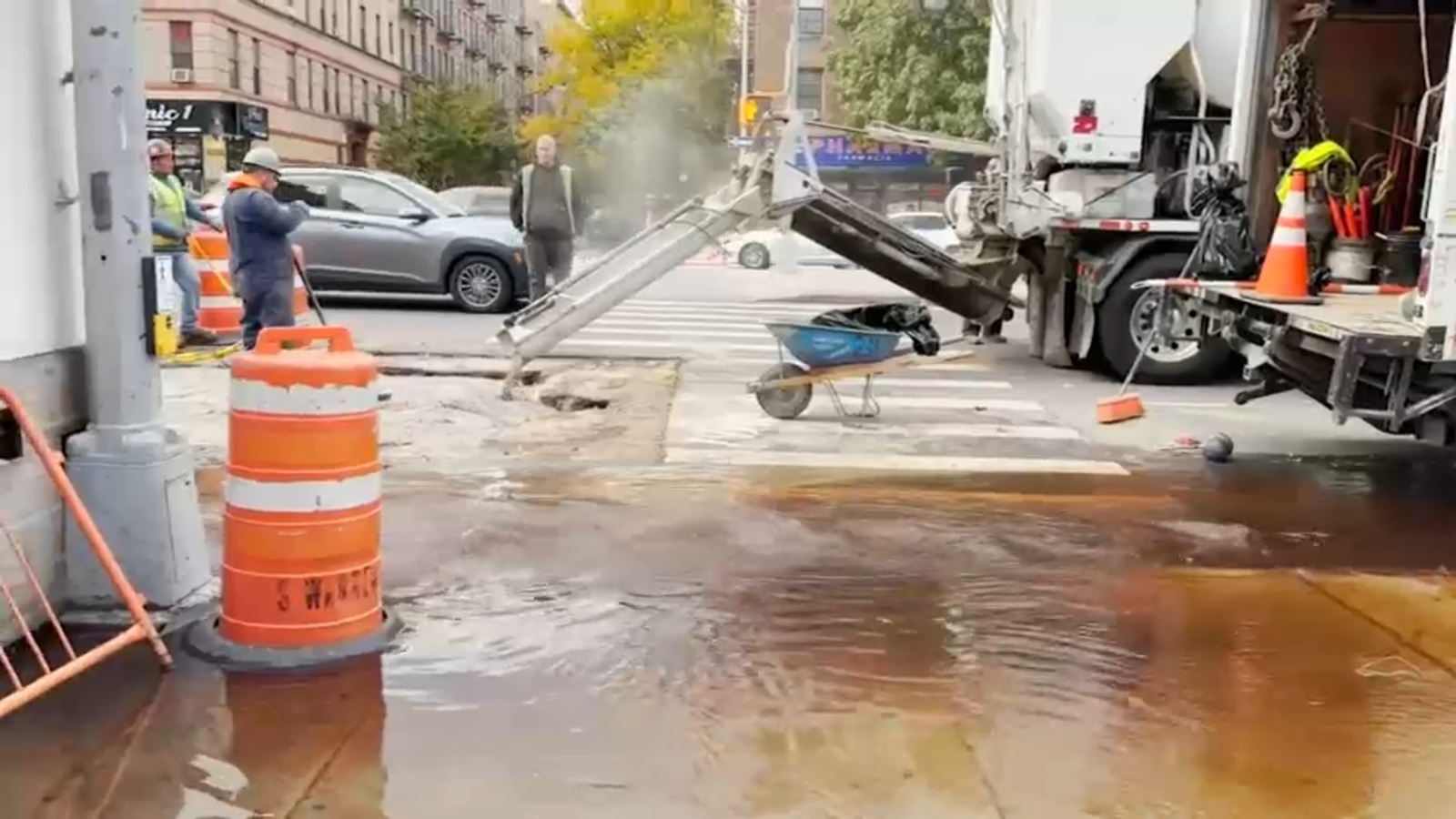
Lower Manhattan is a neighborhood of contradictions. Above ground, it is a gleaming hub of global finance and modern luxury high-rises. Below ground, however, lies a sprawling, subterranean museum of 19th-century engineering. It is this collision of the old and the new—specifically the constant pace of modern construction sitting atop ancient pipes—that makes the “brown water” phenomenon such a frequent occurrence for residents from the Seaport to Battery Park City.
If you have ever turned on your tap after a construction crew finished work on your block only to find a stream of rust-colored water, you are witnessing the physical fragility of the city’s oldest city infrastructure. Understanding the mechanics of these events is the first step in protecting your home’s plumbing and your peace of mind.
The “Iron Scale” Problem: A Century of Accumulation
The primary reason Lower Manhattan is uniquely susceptible to discoloration is the material of the pipes. While modern suburban developments use plastic or cement-lined ductile iron, the “trunk” lines under neighborhoods like FiDi and TriBeCa are often made of unlined cast iron, some dating back to the late 1800s.
Over more than a century of continuous use, these iron pipes undergo a chemical reaction with the water known as tuberculation. This process creates jagged, coral-like mounds of oxidized iron and mineral deposits on the interior walls of the pipe.
Under normal, steady-state conditions, these mounds are stable. The water flows smoothly over them, and the tap remains clear. However, the internal “crust” of an 1890s water main is incredibly brittle. It is this brittle nature that makes the pipes so sensitive to the vibrations and pressure shifts inherent in any construction project.
The Vibration Factor: Jackhammers and Piling
Lower Manhattan is currently a hotbed for massive infrastructure projects, from coastal resiliency barriers to subway upgrades. These projects often involve “pile driving” or heavy jackhammering to penetrate the Manhattan schist (bedrock).
These vibrations travel through the soil and resonate directly into the water mains. For a modern pipe, this is negligible. For an antique, tuberculated pipe, these vibrations act like a hammer hitting a rusty radiator. The mechanical shock “shakes” the iron scale loose from the pipe walls, suspending millions of microscopic rust particles in the water. This is why you might see discoloration even if the construction crew never actually touched a water line; the mere act of working near the pipe is enough to trigger water quality issues.
Hydraulic “Scouring” and Flow Reversal
Construction work almost always requires a temporary change in how water moves through the neighborhood. To repair a specific section of pipe or to install a new fire hydrant for a building site, the NYC Department of Environmental Protection (DEP) must “throttle” or close certain valves.
When a valve is closed, the water that normally flows in one direction is forced to find a new “path of least resistance.” This is known as flow reversal.
Because the water is now moving in a direction it hasn’t traveled in months—or at a higher speed (velocity) than usual—it “scours” the sediment that has been sitting undisturbed on the bottom of the pipes. This “slug” of concentrated iron and manganese is pushed directly into the service lines of surrounding buildings. In the dense urban water systems of Lower Manhattan, a single valve turn on Broadway can ripple through the plumbing of several adjacent blocks.
The High-Rise “Inhalation” Effect
Lower Manhattan’s verticality adds another layer of complexity. Most residential towers in the area are too tall to rely on street pressure alone. Instead, they use powerful booster pumps and basement “suction tanks” to move water to the upper floors.
When a construction project finishes and the water is turned back on, the street main is often filled with air and loosened sediment. When your building’s pumps kick on to refill the internal tanks, they “inhale” this mixture with immense force. In a smaller building, you might see a slow trickle of brown water; in a 50-story high-rise, the pumps can vacuum the sediment into the buildings plumbing so quickly that it bypasses standard screens and settles deep within the internal risers.
How Discoloration Impacts Your Home Assets
While the city maintains that “brown water” is an aesthetic issue rather than a health hazard, it can be physically destructive to your property.
- The Hot Water Trap: If you run the hot water during a discoloration event, you are pulling sediment into your water heater or the building’s central boiler. This grit settles at the bottom, creating a layer of “mud” that reduces efficiency and leads to “yellow water” that persists for days after the cold water has cleared.
- Aerator Blinding: Modern, high-end faucets use fine mesh aerators. The gritty “pipe scale” from construction is exactly the right size to clog these screens, causing a mysterious drop in pressure.
- Appliance Damage: Dishwashers and high-efficiency washing machines have sensitive solenoid valves. Gritty sediment can prevent these valves from closing properly, leading to leaks or “error” codes.
Action Plan: Navigating Post-Construction Water
If you see a construction crew packing up on your block, or if you read about a scheduled repair on our blog, follow these steps to protect your tap:
- Perform a “Cold Flush”: Go to the highest-flow cold water fixture in your home—usually the bathtub. Run the water at full blast for 10-15 minutes. Bathtub faucets often lack the fine aerators found in kitchen sinks, allowing the sediment to pass through without clogging the fixture.
- Avoid the Laundry: Do not run a load of whites or use the dishwasher until you have verified that the water is clear. Iron sediment is notorious for staining linens.
- Check the Aerators: If your kitchen sink pressure feels “off” after the water clears, unscrew the tip of the faucet and rinse the screen. We provide a visual guide on this in our faq section.
- Report the Event: The city needs data to prioritize pipe replacements. If your water remains brown for more than six hours after construction finishes, use our contact page to log the event. This helps us track the “Hydraulic Health” of Lower Manhattan.
Conclusion: Living with a Living History
The “brown water” of Lower Manhattan is a byproduct of progress meeting history. As we continue to build and renovate the skyline, we are inevitably disturbing the 19th-century veins that keep the city hydrated. While these events are a nuisance, they are a predictable part of life in the city’s most historic residential district.
By understanding that the discoloration is a mechanical “scouring” of the pipes rather than a failure of the water supply itself, you can take the necessary steps to flush your lines and protect your appliances.