Living in the “World’s Borough” means experiencing the full breadth of New York’s seasons, from the humid salt air of the Rockaways in July to the biting winds that whip through the canyons of Long Island City in January. While we adjust our wardrobes and thermostats to match the weather, there is another seasonal shift happening right beneath our feet.
In Queens, the temperature of your tap water is not a constant. It is a living reflection of the environment, fluctuating significantly as the seasons change. For residents in neighborhoods ranging from Astoria to Jamaica, these shifts aren’t just a matter of comfort; they impact the chemistry of your urban water systems, the efficiency of your appliances, and even the taste of your morning coffee.
The Source Connection: From Mountains to the Tap
To understand why your water temperature fluctuates, you have to look at its journey. Most of Queens is supplied by the Catskill and Delaware watersheds. This water is stored in massive open-air reservoirs upstate before traveling through hundreds of miles of aqueducts.
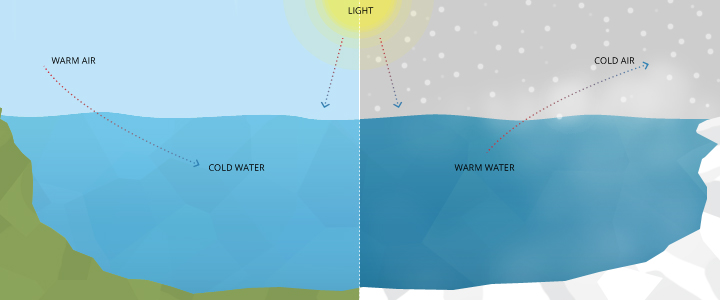
Because these reservoirs are exposed to the elements, the “source” water temperature changes with the air. In the winter, the water entering the city’s tunnels can be as cold as 35°F. By late August, that same source water can warm up to 70°F or more. By the time this water travels through the city infrastructure and reaches a kitchen in Forest Hills, it has been further influenced by the ground temperature around the local mains.
Summer: Thermal Gain and the “Medicinal” Scent
In the summer months, Queens residents often notice that the “cold” water coming out of the tap feels tepid. This is due to a phenomenon called thermal gain. Water mains in Queens are typically buried three to five feet underground. While this protects them from freezing, it does not fully insulate them from the scorching heat of a New York City summer.
As the asphalt in dense neighborhoods like Sunnyside or Jackson Heights bakes in the sun, that heat radiates into the soil. This creates several noticeable water quality issues:
- Chlorine Off-Gassing: To keep water safe, the NYC DEP adds chlorine for disinfection. Warmer water holds less dissolved gas, meaning the chlorine “off-gasses” more quickly. This is why your water might have a stronger “pool-like” smell in July even if the chlorine levels are the same as they were in December.
- Altered Taste Profiles: Warm water amplifies the flavors of natural minerals and organic tannins. If your water tastes “earthy” or “musty” during a heatwave, it is often simply because the heat has made these subtle characteristics more prominent to your palate.
- Dissolved Oxygen Loss: Cold water is naturally more aerated. As water warms, it loses dissolved oxygen, which can make the water taste “flat” or heavy.
Winter: Thermal Contraction and the “Cloudy” Glass
When the temperature drops, the water in Queens becomes crisp and incredibly cold—often reaching temperatures that make washing dishes by hand a painful chore. However, winter brings its own set of mechanical quirks.
One of the most common complaints we receive during the winter involves “milky” or cloudy water. Residents often worry that chemicals have been added to the system, but the reality is pure physics. Cold water can hold more dissolved air than warm water. When that freezing water travels from the high-pressure street mains into your heated home, the water warms up slightly, and the pressure is released at the faucet.
The result is millions of microscopic bubbles. If you let the glass sit for sixty seconds and it clears from the bottom up, it is simply air. This is a frequent topic in our faq section during the first frost of the year.
The Impact on Buildings and Plumbing
Seasonal temperature swings put immense physical stress on your buildings plumbing. Metal pipes expand when they are warm and contract when they are cold.
In older Queens neighborhoods—think the pre-war apartment blocks of Rego Park or the Victorian homes of Richmond Hill—this constant “breathing” of the pipes can lead to several issues:
- Water Main Breaks: The transition from autumn to winter is the most dangerous time for the city’s iron mains. As the water temperature drops sharply, the pipes contract. If a pipe is old and brittle, this contraction can cause it to snap, leading to the sudden discoloration events we track on our blog.
- Expansion Noise: If you hear “ticking” or “clunking” in your walls when you turn on the hot water in the winter, it is likely the sound of cold copper pipes rapidly expanding against their wooden supports.
- Appliance Efficiency: Your dishwasher and laundry machine have to work much harder in the winter to heat water up to the required temperature. This can lead to slightly higher energy bills and longer cycle times during the coldest months.
The “End-of-Line” Effect in Queens Geography
Queens is geographically massive, and some neighborhoods are at the “end of the line” for certain water distribution loops. Areas like the Rockaways or parts of Eastern Queens may experience more extreme temperature fluctuations than Long Island City, which is closer to the primary trunk lines entering from Manhattan.
In the summer, water traveling to the edges of the borough has more time to sit in the sun-warmed pipes, leading to higher tap temperatures. In the winter, that same distance can allow the water to lose even more heat to the frozen ground.
How Residents Should Adapt
Understanding these seasonal shifts allows you to better manage your household water usage:
- The Summer Carafe: If you dislike the smell of chlorine in the summer, fill a glass carafe and leave it in the refrigerator overnight. This allows the chlorine to off-gas naturally and ensures you have crisp, cold water without the “flat” taste of warm tap.
- The Winter Buffer: If you are the first person in your building to wake up on a frozen morning, run the tap for 30 seconds. This clears out the water that has been sitting in the building’s uninsulated “riser” pipes, which may have dropped to near-freezing temperatures overnight.
- Aerator Maintenance: Seasonal temperature shifts can cause mineral “scale” inside your pipes to flake off. If your pressure drops suddenly during a change in season, unscrew your faucet aerators and rinse out any trapped debris.
Conclusion
The water in Queens is not a static utility; it is a seasonal experience. By understanding the link between the air temperature and your tap, you can troubleshoot “milky” water in the winter and “earthy” tastes in the summer with confidence.
While the city’s city infrastructure works hard to maintain a steady flow, the laws of physics will always ensure that our water reflects the vibrant, changing environment of the borough. If you notice a change in your water that seems outside the norm for the season—such as persistent discoloration or a sudden drop in pressure—please reach out via our contact page. We use resident reports to map the health of the grid across every Queens zip code.