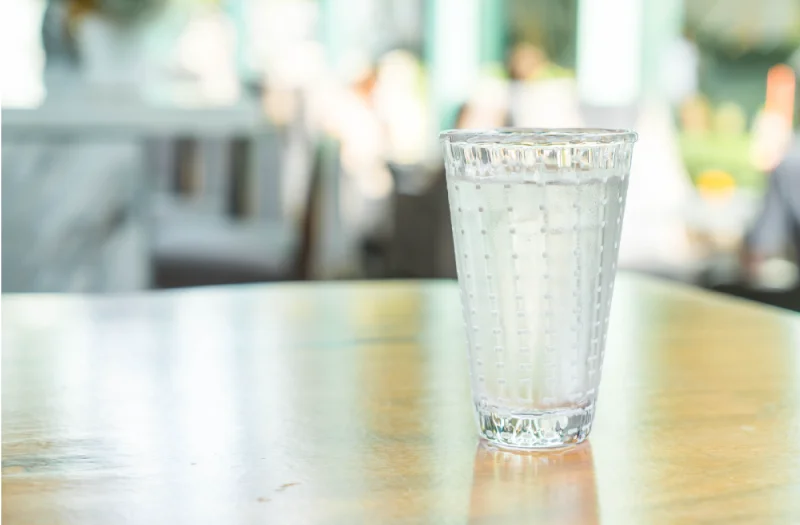
It is a crisp January morning in Manhattan. You turn on the kitchen faucet to fill a glass of water, but instead of the crystal-clear liquid New York is famous for, you are greeted by something that looks more like a glass of skim milk. It is opaque, white, and seemingly cloudy. For many residents, the first instinct is one of alarm. Is there a chemical leak? Has the city infrastructure failed? Should you reach for the bottled water?
In the vast majority of cases, particularly during the winter months, this “milky” appearance is completely harmless. It isn’t a sign of contamination or a failure in the urban water systems. Instead, it is a fascinating intersection of physics, temperature, and the high-pressure environment of Manhattan’s vertical plumbing. Understanding the “why” behind the white water can save you from unnecessary stress during the next cold snap.
The Physics of Dissolved Air
The primary cause of milky water is a simple scientific principle: cold water holds more air than warm water.
Manhattan’s water travels from the upstate Catskill and Delaware watersheds through massive, deep-rock tunnels. During the winter, the water in these reservoirs is near freezing. At these low temperatures, the water is naturally “super-saturated” with dissolved oxygen and nitrogen.
As this freezing water enters the city and moves through the street mains, it is kept under immense pressure. When you turn on your tap, two things happen simultaneously: the water enters the relatively warm environment of your buildings plumbing, and the pressure is suddenly released as it exits the faucet.
Because the water is warming up and the pressure is gone, it can no longer hold all that dissolved air. The air “precipitates” out of the water in the form of millions of microscopic bubbles. These bubbles are so small and so numerous that they scatter light, making the water appear white or milky to the human eye.
The “Bottom-Up” Test
If you are concerned about the clarity of your water, there is a simple 60-second diagnostic you can perform at home. Fill a clear glass with the cloudy water and set it on the counter.
- If the water clears from the bottom up: It is definitely air. As the tiny bubbles rise to the surface and pop, the water becomes clear starting at the bottom of the glass.
- If the water remains cloudy or clears from the top down: This could indicate actual turbidity or silt, which are different water quality issues altogether.
In Manhattan, winter cloudiness clears from the bottom up nearly 100% of the time. It is a purely aesthetic phenomenon that does not change the safety or the taste of the “champagne of tap water.”
The Role of Manhattan’s High-Pressure Grids
While air bubbles happen in many cities, they are particularly prominent in Manhattan due to the borough’s unique hydraulic needs. Manhattan is a vertical island; moving water to the top of a 50-story residential tower requires significantly more pressure than moving it to a two-story suburban home.
To overcome gravity, many Manhattan buildings use booster pumps and “suction tanks” in their basements. These mechanical systems often introduce additional turbulence into the water lines. When air-saturated winter water is agitated by these high-speed pumps, it “whips” even more air into the mix. This is why you might notice the water is milkier in a FiDi high-rise than it is in a basement apartment in the East Village. The more mechanical “stress” the water undergoes on its way to your floor, the more air it will release at the tap.
Aerators: The Final Bubble Maker
Your faucet itself plays a part in this winter magic. Modern Manhattan apartments are equipped with high-efficiency “aerators”—the small mesh screens at the tip of the faucet. As the name suggests, these devices are designed to mix air into the water stream to maintain pressure while using less water.
In the winter, when the water is already bursting with dissolved gases, the aerator acts as a catalyst. It provides thousands of tiny “nucleation points” where the air can form into bubbles. If you find the cloudiness distracting, you can often reduce it by cleaning your aerator. Over time, the screens can trap tiny bits of pipe scale, which increases turbulence and makes the “milky” effect even more pronounced. We cover the steps for this maintenance in our faq section.
When Cloudiness Isn’t Just Air
While winter “milkiness” is almost always air, it is important to stay vigilant. There are times when a change in clarity is a sign of a real problem in the buildings plumbing or the street mains.
- Water Main Breaks: Cold weather causes the ground to shift, which can snap Manhattan’s aging cast-iron pipes. If a break occurs nearby, it can introduce actual silt or rust into the system. This usually appears as yellow or brown water rather than white.
- Construction Activity: Nearby “street cuts” or utility work can cause temporary pressure drops that “scour” the inside of the pipes.
- Internal Pipe Issues: In older pre-war buildings, galvanized steel pipes can corrode from the inside out, leading to persistent “cloudy” water that doesn’t clear in a glass.
We track these localized events daily on our blog. If your water is cloudy and doesn’t pass the “bottom-up” air test, it’s worth checking to see if there is an active repair on your block.
How to Handle Milky Water
Since winter cloudiness is just air, you don’t need to do anything. The water is perfectly safe for drinking, cooking, and bathing. However, if the appearance bothers you, here are three simple tips:
- Let it Sit: Fill a pitcher and leave it on the counter for two minutes before pouring a glass. The air will dissipate naturally.
- Use a Water Filter: Most carbon-block filters (like those in a Brita or a refrigerator) will help dissipate the air more quickly by providing a surface for the bubbles to collect on.
- The “Slow Pour”: If you open your faucet only halfway, you reduce the turbulence at the aerator, which often results in a clearer glass of water.
Conclusion: A Sign of the Season
In the end, milky water is simply a sign that the seasons have changed in the Catskills. It is a physical reminder of the incredible journey your water takes—from freezing mountain reservoirs, through high-pressure deep-rock tunnels, and up the vertical veins of Manhattan’s skyscrapers.
As long as the water clears from the bottom of the glass within a minute, you have nothing to worry about. It’s just New York City water doing exactly what physics dictates it should do when the temperature drops. If you have concerns about a persistent change in your water’s clarity or taste that doesn’t seem related to the cold, please reach out via our contact page. We use resident reports to help identify and map potential infrastructure issues across the borough.