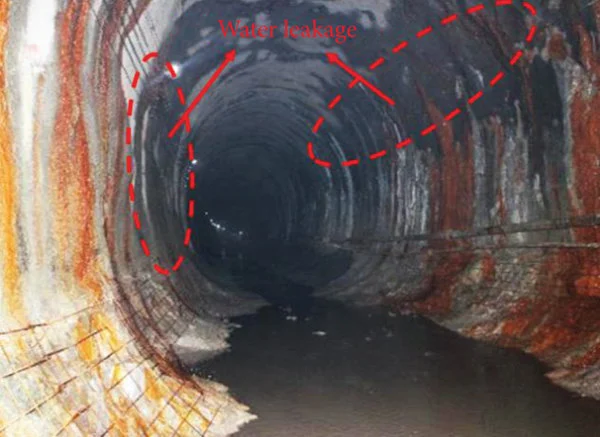
New York City is a marvel of stacked infrastructure. While we walk the sidewalks and look up at the skyscrapers, a silent, high-stakes coordination occurs beneath our feet. For residents of transit-heavy corridors—like those along the Second Avenue Subway extension or the massive tunnel boring projects in the Bronx and Queens—the relationship between the “A Train” and the kitchen tap is more intimate than most realize.
When the city breaks ground on a new subway tunnel or station, it disrupts a delicate hydraulic equilibrium that has existed for decades. From the vibration of heavy machinery to the literal rerouting of the water table, subway construction fundamentally changes how water behaves. Understanding these impacts is essential for maintaining your buildings plumbing and identifying the source of sudden water quality issues.
The Dewatering Dilemma: Sucking the Soil Dry
Subway tunnels are often built below the natural water table. To create a dry environment for workers to pour concrete and lay tracks, engineers must perform “dewatering.” This involves installing massive industrial pumps that run 24/7 to lower the groundwater level around the construction site.
While this is necessary for the subway, it creates a “cone of depression” in the surrounding soil. When the groundwater is sucked out, the soil can shift or settle—a process known as subsidence. For the city’s aging city infrastructure, this is a nightmare. As the ground settles, the rigid, brittle cast-iron water mains can experience “beam stress.” Even a shift of a few millimeters can cause an old pipe to snap, leading to the sudden water main breaks we track in our blog.
Percussive Vibration and “Pipe Scale” Displacement
Subway construction is a loud, high-impact endeavor. Whether it is the rhythmic pounding of a pile driver or the steady grind of a Tunnel Boring Machine (TBM), the vibrations travel through the Manhattan schist and the glacial till of Brooklyn and Queens with incredible efficiency.
These vibrations act like a mechanical “descaler” on the interior of the city’s water mains. Most of our older pipes have a layer of internal oxidation and mineral buildup called tuberculation. Under normal conditions, this “crust” stays stuck to the pipe walls. However, the intense vibration of subway work shakes this material loose.
This is the “real” reason residents near subway construction often see brown or yellow water. It isn’t that dirt is getting into the pipes; it’s that the pipes are shedding their internal skin. This sediment then travels through the urban water systems and ends up in your faucet aerators, causing a sudden drop in pressure that we address in our faq.
Hydraulic Rerouting: The “Labyrinth” Effect
Subway tunnels are massive, impermeable concrete tubes. When you place one of these tubes in the middle of a dense urban grid, you are effectively building a dam in the subterranean world.
Natural groundwater flow that used to move freely toward the East River or the Hudson is now blocked. This forces the water to find new paths, often saturating soil in areas that were previously dry. This “new” water behavior can put external pressure on water mains and building foundations that weren’t designed to be submerged. For older buildings plumbing, this can lead to increased exterior corrosion and “sweating” of basement pipes as they react to the changing humidity and pressure of the surrounding earth.
The Stray Current Concern
Subways run on massive amounts of electricity, often utilizing a “third rail” system. While the MTA takes extensive measures to insulate these systems, “stray current” can occasionally escape into the surrounding soil.
Metal water pipes are excellent conductors. When stray electricity hitches a ride on a water main, it triggers a process called electrolysis. This is an accelerated form of corrosion that can “eat” through a metal pipe in a fraction of the time it would take for natural rust to occur. In neighborhoods with active subway construction or aging transit lines, this electrochemical behavior is a leading cause of “mystery leaks” that can baffle building supers and homeowners alike.
What Residents Near Construction Should Do
If you live within a few blocks of an active subway project, your water behavior is likely to be volatile. Here is how to protect your home:
- Install a “Spin-Down” Filter: A simple, reusable sediment filter installed where the water enters your home or building can catch the “pipe scale” shaken loose by vibrations before it reaches your appliances.
- Monitor the “First Flush”: In the morning, run your cold water for 60 seconds. This clears out any sediment or “metallic” water that has settled in your service line overnight due to construction-related flow changes.
- Check Your Water Heater: Construction sediment is the #1 killer of water heaters. If you see discoloration, avoid using the hot water until the cold water runs clear to prevent “sucking” the grit into your tank.
- Report Pressure Drops: If your pressure dips every time the heavy machinery starts up, your building’s intake may be fighting for pressure with the construction site’s own water needs. Log these events on our contact page so we can track localized demand surges.
Conclusion: A Vertical Conflict
The goal of a world-class transit system often runs into the reality of a 19th-century water grid. Subway construction is a necessary part of New York’s evolution, but it forces the “underground” to behave in unpredictable ways.
By understanding that vibrations, dewatering, and stray currents are active participants in your plumbing’s health, you can move from frustration to preparation. We continue to monitor the intersection of transit and water quality across all five boroughs. If you’ve noticed a shift in your water since the local “M” train construction started, you aren’t alone—you’re just living in the middle of a complex hydraulic balancing act.