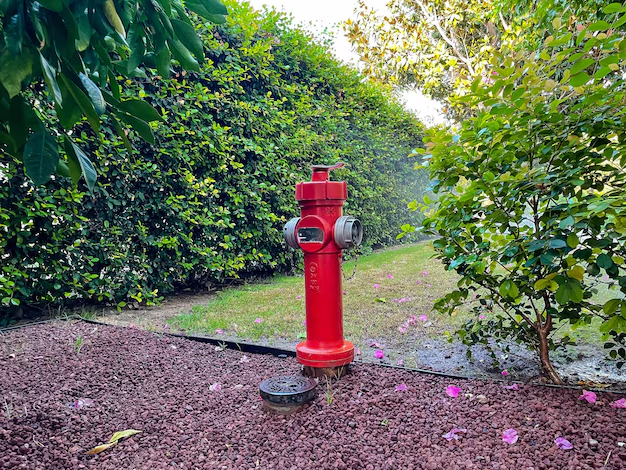
Hydrant flushing is a routine maintenance practice used across New York City to clean water mains and ensure fire readiness. In the Bronx, residents often notice sediment shortly after flushing activity — a predictable side effect of how water moves through older infrastructure.
When hydrants are opened, water flows at extremely high velocities, scouring the interior of nearby pipes. This process loosens sediment that has accumulated over time, including rust and mineral particles.
Once flushing ends, normal flow resumes, carrying some of this disturbed material into residential plumbing. Apartments closest to the flushed hydrants or connected through older mains are most likely to experience discoloration.
The effect is temporary. As sediment clears and flow stabilizes, water typically returns to normal. Running cold water for several minutes often resolves the issue.
Hydrant flushing improves long-term water quality and system reliability. Short-term sediment is an expected trade-off in maintaining a dense, aging urban network like the Bronx’s.